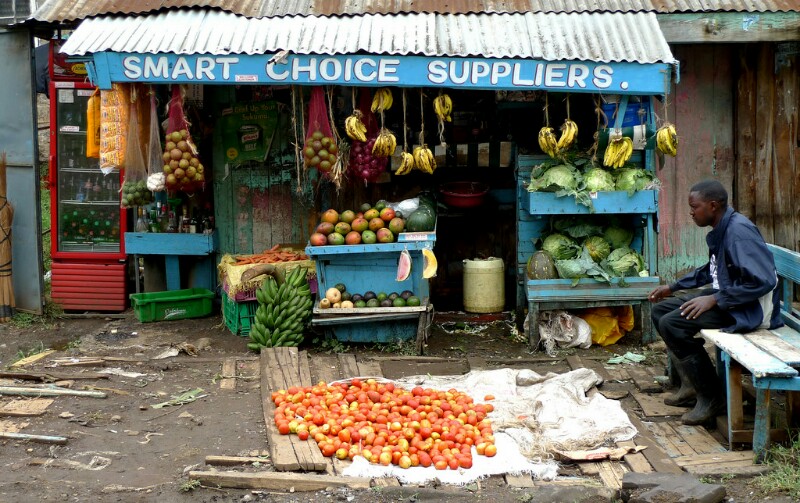
For decades, Nairobi’s Eastleigh neighborhood has vibrated with a unique economic energy. Often dubbed “Little Mogadishu,” it serves as the beating heart of wholesale and retail trade in East and Central Africa. From textiles and electronics to consumer goods, billions of shillings change hands daily across its multi-story shopping malls.
However, Eastleigh’s highly successful business model has traditionally relied on a foundational element: strict, cash-only transactions.
This cash-dominant ecosystem has placed the commercial hub on a direct collision course with the Kenya Revenue Authority (KRA). As the taxman aggressively pursues a multi-trillion shilling revenue target, Eastleigh has become the ultimate testing ground for whether an informal economy can be integrated into a digital tax system.
┌────────────────────────────────────────────────────────┐
│               THE EASTLEIGH COMPLIANCE GAP             │
├───────────────────────────┬────────────────────────────┤
│     Traders' Reality      │        KRA Objective       │
├───────────────────────────┼────────────────────────────┤
│ • Cash-centric sales      │ • Real-time electronic logs│
│ • Language barrier gaps   │ • Multilingual assistance  │
│ • High import duty fears  │ • Widen local tax base     │
└───────────────────────────┴────────────────────────────┘
The Invoice Void and the Supply Chain Ripple
The friction point between Eastleigh and the KRA centers on transparency. Because a vast majority of the neighborhood’s vendors conduct business purely via cash and avoid digital trails, they rarely issue official invoices or tax receipts.
According to the KRA’s Commissioner for Micro and Small Taxpayers, this creates a massive “invoice gap” that ripples across the entire country. Formal businesses from Mombasa, Kisumu, and upcountry Kenya rely heavily on Eastleigh for wholesale merchandise. When these formal businesses buy goods without an electronic receipt, they cannot legally claim those purchases as business expenses on their own tax returns. Eastleigh’s informal nature unintentionally penalizes compliant businesses downstream.
The eTIMS Ultimatum
To seal this multi-billion shilling leak, the KRA has mandated the full adoption of the Electronic Tax Invoice Management System (eTIMS). eTIMS requires real-time digital logging of every single transaction directly into the KRA network.
The Kenya Revenue Authority has deployed several strategic initiatives to transition the community away from cash-only deals:
- On-the-Ground Officers: KRA personnel are stationed directly inside commercial malls to handle immediate PIN registration and tax filing assistance.
- Bypassing the Language Barrier: Recognizing that many traders speak neither English nor Kiswahili fluently, the KRA has deployed multilingual officers fluent in local dialects to provide targeted tax education.
- Simplified Tech Solutions: The taxman introduced accessible USSD mobile codes, enabling micro-traders to issue e-receipts and check compliance statuses without relying on third-party accounting agents.
The Pushback: High Levies and Protests
Despite efforts to lower entry barriers, the relationship remains tense. The Eastleigh Business District Association (EBDA) has publicly urged traders to comply to preserve the hub’s reputation as a regional powerhouse. However, many business owners argue that the KRA’s aggressive enforcement protocols feel more like harassment than facilitation.
The tension recently boiled over when traders from Eastleigh and neighboring Kamukunji staged major street demonstrations outside the KRA’s Times Tower headquarters. Protesters hoisted placards demanding relief from what they describe as punitive tax rates, excessive cargo clearance levies, and overly aggressive regulatory checks that threaten to choke thin profit margins and force job cuts.
Looking Ahead
The ongoing standoff highlights a broader economic reality: bringing an economic powerhouse like Eastleigh into full compliance requires balancing firm enforcement with mutual cooperation.
As permanent KRA service desks roll out directly inside Eastleigh’s sprawling malls, the ongoing transition serves as a critical indicator for the future of tax collection in Africa’s rapidly evolving trade hubs.